
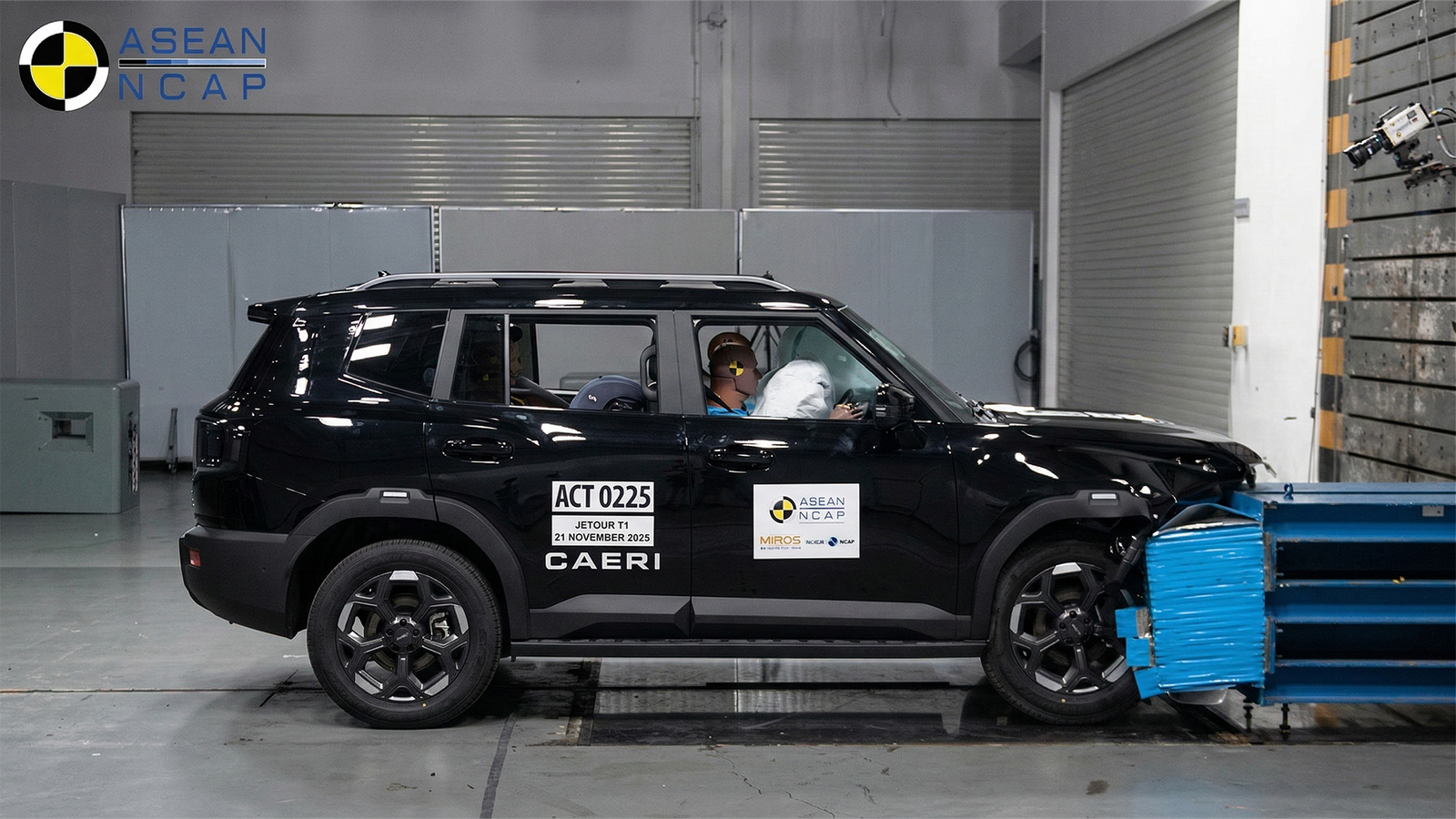
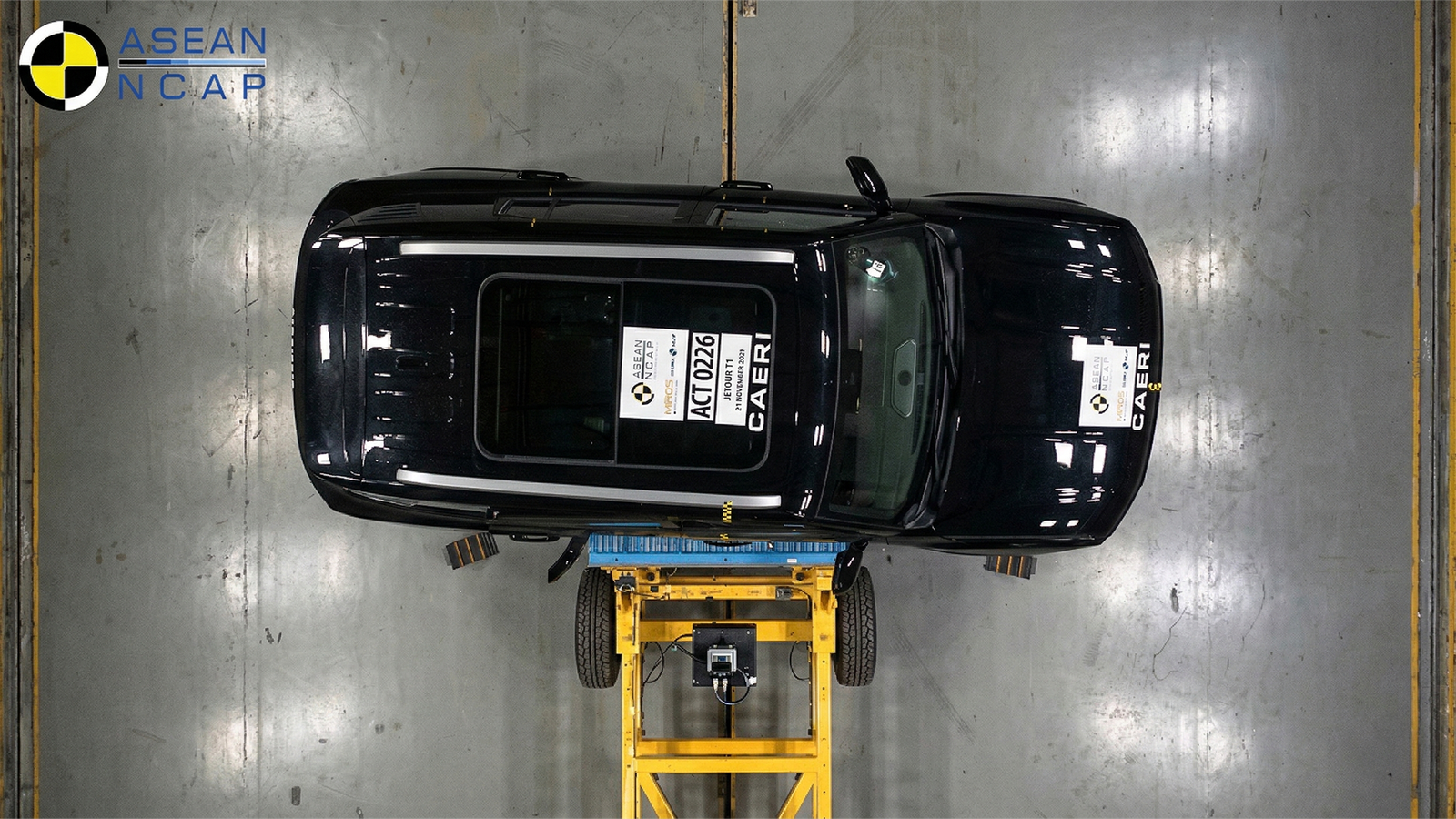
Kajang, Malaysia, 26 January 2026 – Following the recent announcement of the JETOUR T2 assessment, the New Car Assessment Program for Southeast Asian Countries (ASEAN NCAP) has also completed the evaluation of the JETOUR’s latest model, the all-new JETOUR T1. Similar to the T2 model, the JETOUR T1 was also assessed at the end of 2025.
The new JETOUR T1 delivered strong performance in the ASEAN NCAP assessment under the 2021–2025 protocol, earning a 5-Star ASEAN NCAP rating with a total score of 87.67 points. The T1’s accumulated score was based on the four assessment categories consisting of the Adult Occupant Protection (AOP) category with 38.09 points, the Child Occupant Protection (COP) category with 16.18 points, the Safety Assist (SA) category with 17.14 points, and the Motorcyclist Safety (MS) category with 16.25 points.
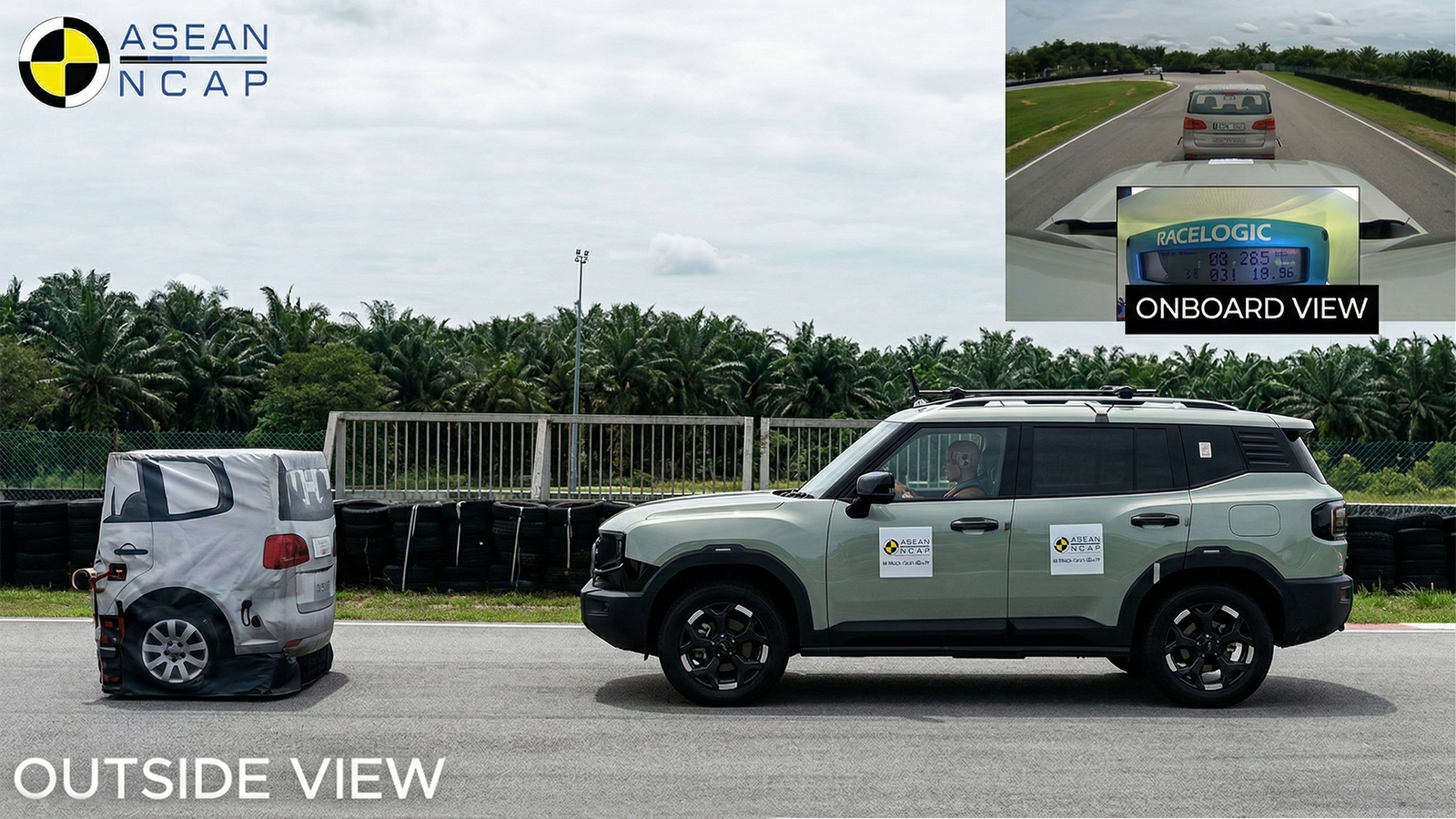
The new T1 offers standard features across all its variants comprising six airbags, Electronic Stability Control (ESC), Anti-lock Braking System (ABS), Seatbelt Reminder System (SBR) for both of its front and rear occupants, rear seat detection, Child Presence Detection (CPD), ISOFIX for child safety seats, Blind Spot Detection (BSD) for the driver- and front passenger-side of the vehicle and Pedestrian Protection (PP). The rugged compact cross-over SUV is also equipped with Autonomous Emergency Braking (AEB) City, AEB Inter-Urban, AEB Pedestrian, Lane Departure Warning (LDW), Forward Collision Warning (FCW), Lane Keep Assist (LKA), Auto High Beam (AHB), and AEB for motorcycles as optional fitment.
ASEAN NCAP is pleased to have completed the assessment of the JETOUR T1 before the conclusion of the 2021–2025 protocol period. Following in the footsteps of its sister model, the JETOUR T2, the T1 successfully achieved a 5-star safety rating. As the latest addition to the JETOUR lineup, the T1 offers a compelling alternative for consumers seeking a rugged, adventurous aesthetic in a more compact, manoeuvrable package. We are encouraged to see that JETOUR has maintained a high standard of safety technology integration in this smaller model. We look forward to seeing more JETOUR models enter the Southeast Asian market equipped with essential safety innovations for our consumers.
The ASEAN NCAP 2021–2025 assessment protocol encompasses four assessment domains, with AOP accounting for 40.00 points of the overall score, and COP, SA, and MS each contributing 20.00 points. The 2021–2025 assessment protocol has now concluded. Starting this year, all assessments will be conducted under the new 2026–2030 protocol.
ASEAN NCAP is a new addition to the NCAP organisations around the world, targeted to enhance safety standards, raise consumer awareness, and thus encourage a market for safer vehicles in the Southeast Asia region (ASEAN community). This is a collaborative effort by MIROS and Global NCAP, which funded the project's pilot phase. ASEAN NCAP is also supported by the membership of Automobile Associations from the Philippines (AAP), Singapore (AA Singapore), Cambodia (AAC), and Thailand (RAAT).
“Safety remains one of the most important priorities for Filipino car buyers, and this recognition further strengthens our confidence in the JETOUR lineup,” said Miguelito Jose, Managing Director of JETOUR Auto Philippines Inc. “The 5-Star ASEAN NCAP rating for the all-new JETOUR T1 reflects the brand’s commitment to delivering vehicles that combine innovative technology, everyday practicality, and the highest standards of occupant protection. As we continue to grow the JETOUR presence in the Philippines, we remain dedicated to offering vehicles that Filipino families can trust, whether for daily driving or for their next adventure.”
Overview of ASEAN NCAP Roadmap 2021-2025
The first phase of the ASEAN NCAP Roadmap 2021-2030 comprises four pillars: Adult Occupant Protection (AOP), Child Occupant Protection (COP), Safety Assist (SA), and Motorcyclist Safety (MS). For each of these pillars, there shall be additional elements and improvements to the previous rating systems as we strive toward a higher car safety standard suited to the ASEAN context.• Adult Occupant Protection
AOP maintains two crash assessments, namely the frontal and side-impact tests. There shall be no changes with regard to the use of the dummy. However, ASEAN NCAP has amended the score for side impact, in the sense that it will be reduced by 50 percent whereas additional points will be awarded for Head Protection Technology (HPT). Such a change will encourage the fitment of more curtain airbags in the ASEAN region. Beginning in 2023, ASEAN NCAP will also include UN R135 as a prerequisite for HPT.• Child Occupant Protection
ASEAN NCAP is introducing more local CRS in its vehicle-based assessment compared with the previous rating system. This ensures that new cars sold in the region comply with the Southeast Asia CRS criteria. Another highlight of COP is the introduction of Child Presence Detection technology, which alerts the driver when a child is left unattended in the car. Therefore, ASEAN NCAP shall be among the first NCAPs to encourage the use of such technology, alongside Euro NCAP, which has already included it in its testing protocol.• Safety Assist Technology
In the new roadmap, ASEAN NCAP also focuses on Autonomous Emergency Braking (AEB) Technology, a feature that alerts drivers to an imminent crash and helps them use the car's maximum braking capacity. ASEAN NCAP believes that AEB is an important technology that has been well-received by most car manufacturers. In North America, 20 automakers have voluntarily agreed to install standard AEB in their cars starting in 2022. In addition, ASEAN NCAP places greater attention on AEB City and Inter-Urban. As for AEB Pedestrian, ASEAN NCAP plans to delay its introduction until sufficient data from various studies is available. Based on initial results, it is believed that AEB Pedestrian might not be able to reduce the number of pedestrian fatalities, especially in lower-income countries such as Myanmar, Laos, and Cambodia. Nevertheless, points will not be deducted if car manufacturers install this technology in their cars.Also, in Safety Assist, ASEAN NCAP is closely monitoring rear occupant detection. Hence, in the new roadmap, Rear Seatbelt Reminder (SBR) with Occupant Detection receives up to 50% of the SBR points under Safety Assist. Such a decision also provides evidence that ASEAN NCAP will focus on seatbelts as the primary protection for car occupants.
Finally, ASEAN NCAP shall award another 3 points under Safety Assist for Advanced Safety Assist Technologies (SAT), with OEMs able to select any technology suitable for reducing road casualties. In this area, car manufacturers are encouraged to introduce technologies that benefit road users and help prevent road crashes.
• Motorcyclist Safety
ASEAN NCAP remains totally committed to ensuring the safety of motorcyclists in Southeast Asia. It is a known fact that motorcyclists make up the largest group and account for 80 percent of road users in ASEAN countries. Unfortunately, the region has also witnessed a tremendous increase in motorcyclist fatalities; hence, the issue of powered two-wheeler safety must not be overlooked. As such, ASEAN NCAP will be putting motorcyclist safety at the forefront of its road safety agenda.• Blind Spot Detection and Blind Spot Visualisation
Among the main technologies in this pillar are Blind Spot Detection (BSD) and Blind Spot Visualisation (BSV). Both BSD and BSV will help provide early detection and visualisation to avoid collisions with motorcycles. It is expected that 37 percent of collisions can be avoided if all cars are equipped with such technology. Although BSD technology was first introduced in the 1980s, its ability to detect small vehicles has yet to be fully optimised. In view of this situation, ASEAN NCAP plans to take the lead by implementing the use of BSD to improve car safety. Admittedly, BSD and BSV may have their strengths and weaknesses. For instance, BSD cannot detect another vehicle at a given speed, but BSV comes into play here. Yet, the use of BSV shall require the driver to assume a more active role.• Advanced Rear Visualisation
ASEAN NCAP also believes that collisions with motorcyclists can be avoided if a car driver is more alert to their surroundings within a 30-meter radius. Hence, Advanced Rear Visualisation will help detect motorcycles and other small vehicles. Currently, with the increasing popularity of MPVs and SUVs in ASEAN countries, it has become common to see large families travelling together in a car, their luggage packed to the brim. In such a situation, using the rearview mirror will not be helpful, as the rear passengers block the driver’s view. Such a scenario can be avoided with Advanced Rear Visualisation, which improves the driver’s view by placing a tiny camera at the rear of the car (in addition to the rear mirror).• Auto High Beam
The widespread popularity of motorcycles presents a very different problem from that of cars. It has been observed that in certain areas, the condition of motorcycles on the road is not up to the mark, with some equipment not functioning correctly. For example, the headlight or the taillight might not work. Such an issue regarding the conspicuousness of motorcyclists will definitely lead to dangerous situations, which could eventually result in road crashes. This stems from the difficulty car drivers have in noticing nearby motorcyclists. Regardless, with the Auto High Beam function in new cars, this problem may be solved and, in turn, reduce motorcyclist fatalities in the ASEAN region.• Pedestrian Protection
The issue of pedestrian safety may not be too worrying in ASEAN countries. Regardless, ASEAN NCAP believes it is still important to support the existing pedestrian protection initiatives introduced by several car manufacturers. Of late, new cars have been designed with pedestrian protection in mind. Taking a cue from this, ASEAN NCAP wishes to also include Pedestrian Protection in this new roadmap. Because pedestrians fall under the Vulnerable Road User category, ASEAN NCAP believes that Pedestrian Protection should be regarded as part of the Motorcyclist Safety segment.• Advanced Motorcyclist Safety Technology
All in all, current technologies that can enhance motorcyclist safety in a car have been few and far between. Thus, to further encourage the use of such inventions, ASEAN NCAP wishes to reward an additional 2 points for any two technologies that could help reduce the possibility of a collision between a car and a motorcycle. Regardless, the 2 points will not be added to the main pillar but will act as bonus points, which will not exceed the full score under Motorcyclist Safety.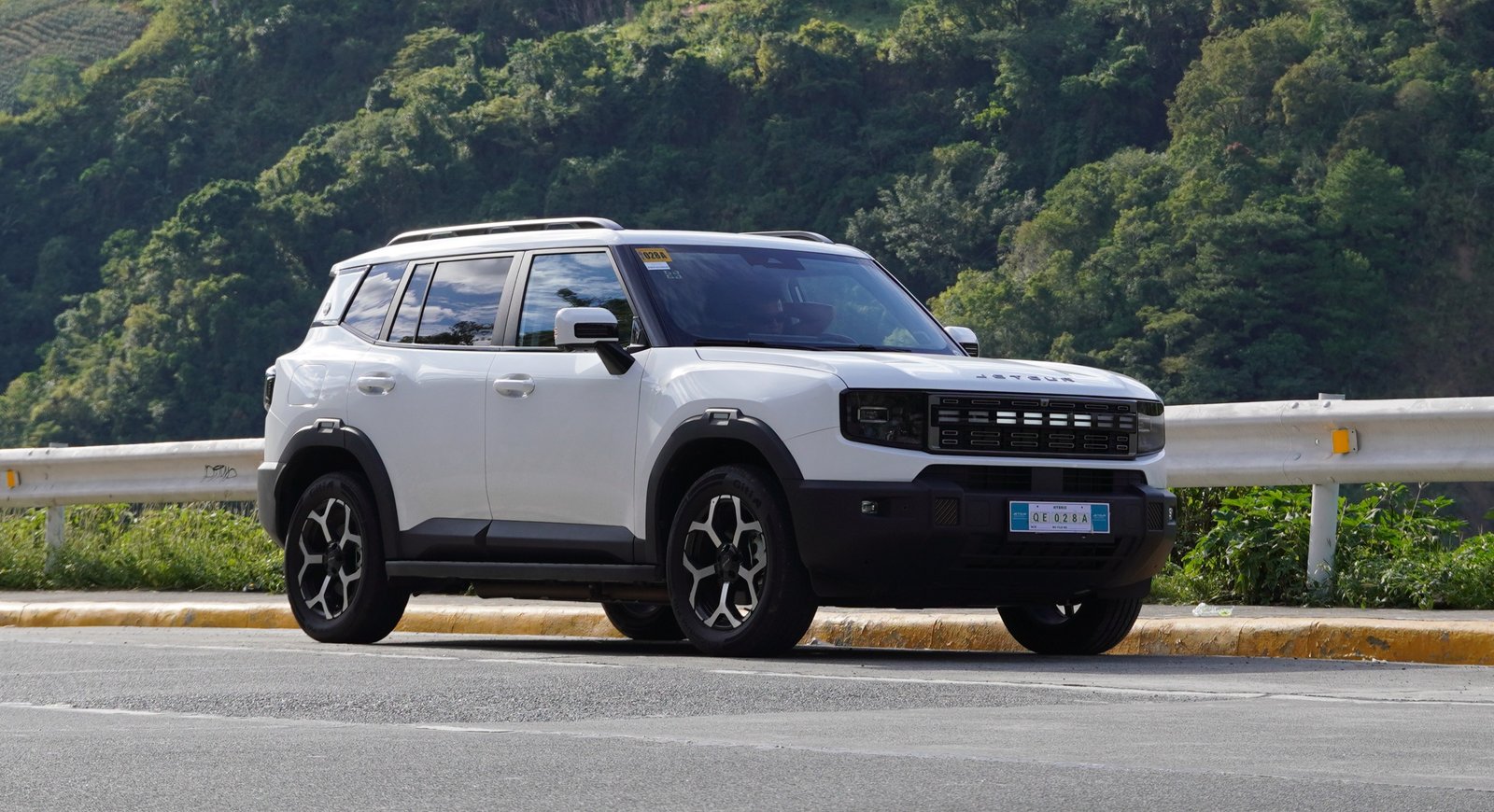
ASEAN NCAP Rating Plate – Results Simplified for Public Consumption
The test result is primarily for public consumption, i.e., for consumers to consider the quality and safety protection offered by the car model based on the NCAP assessment. With ASEAN NCAP's transition to a single rating scheme, consumers can easily refer to the safety star rating, which is based on the accumulated score from the four main assessment pillars under the new 2021–2025 protocol: AOP, COP, SA, and MS.About MIROS
– The Malaysian Institute of Road Safety Research (MIROS) was established in 2007 as an agency under the Ministry of Transport Malaysia, serving as a central repository of knowledge and information on road safety. Findings from research and evidence-based intervention programmes provide the basis for formulating new strategies, legislation, policies,and enforcement measures governing road safety at the national level. Principally engaged in research, MIROS collaborates closely with local and international government agencies and private bodies to advance road safety.
About Global NCAP
– Global NCAP is a non-profit organisation registered in the United Kingdom that aims to encourage the worldwide availability of independent consumer information about the safety of motor vehicles.About UAAGI Auto Group
The UAAGI Auto Group is a distinguished Filipino multi-brand distributor with 20 years of established expertise in the local automotive industry. UAAGI remains committed to providing responsive and reliable after-sales services for customers of all its partner brands, ensuring a premium ownership experience. UAAGI continues to drive the future of Philippine mobility through its diverse portfolio and dedication to providing Filipinos with the top-notch products and services.About JETOUR Auto Philippines Inc.
JETOUR is a global automotive brand that designs vehicles with everyday drivers in mind. Known for its SUVs and intelligent vehicle lineup, JETOUR focuses on making cars that are reliable, versatile, and well-suited for families. In the Philippines, JETOUR continues to offer vehicles that respond to the real needs of Filipino drivers.For more information about JETOUR Auto Philippines Inc., you may visit our website at https://jetourautophilippines.com/
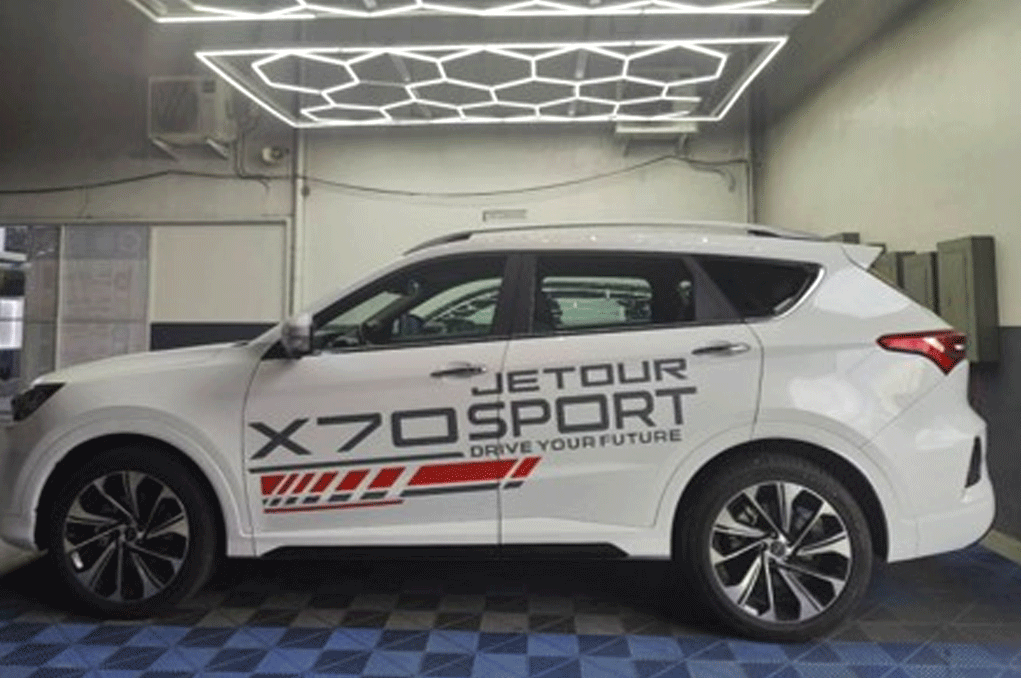
JETOUR Auto Philippines Inc. is the official distributor of JETOUR vehicles and services in the country. The brand offers a diverse lineup including the midsize 7-seater SUV JETOUR X70 (in Journey, Travel, Sport, and Plus variants) and the X70 Lightning i-DM (PHEV); the contemporary compact SUV JETOUR Dashing (in Symphony and Lightning i-DM PHEV variants); the budget-friendly compact crossover JETOUR X50; the JETOUR Ice Cream Electric Vehicle (EV); and the 4X4 SUV JETOUR T2 (in T2, Terminator, Panda Edition, and Lightning i-DM PHEV variants), and newly introduced intelligent hybrid SUV, JETOUR T1 Lightning i-DM 4x2 SUV; to suit every adventurer’s needs. For more details, you may visit any of JETOUR’s 2 authorized dealerships nationwide.